
Renovating a kitchen can be a big undertaking, and it’s important to carefully plan and budget for the project to make sure you have enough money to cover all the costs. The cost of a new kitchen can vary significantly depending on a number of factors, including the size of the kitchen, the materials and finishes you choose, and the cost of labor in your area. Some other factors that can impact the cost of a new kitchen may include the complexity of the layout, the need for any structural changes or renovations, and any additional features or appliances you want to include.
On average, you can expect to pay between £10,000 and £30,000 for a new kitchen, although prices can range from as low as £5,000 for a small budget kitchen to as high as £100,000 or more for a high-end, custom large kitchen. To get a more accurate estimate of the cost of a new kitchen for your space, it is recommended to get quotes from multiple contractors or kitchen design firms.
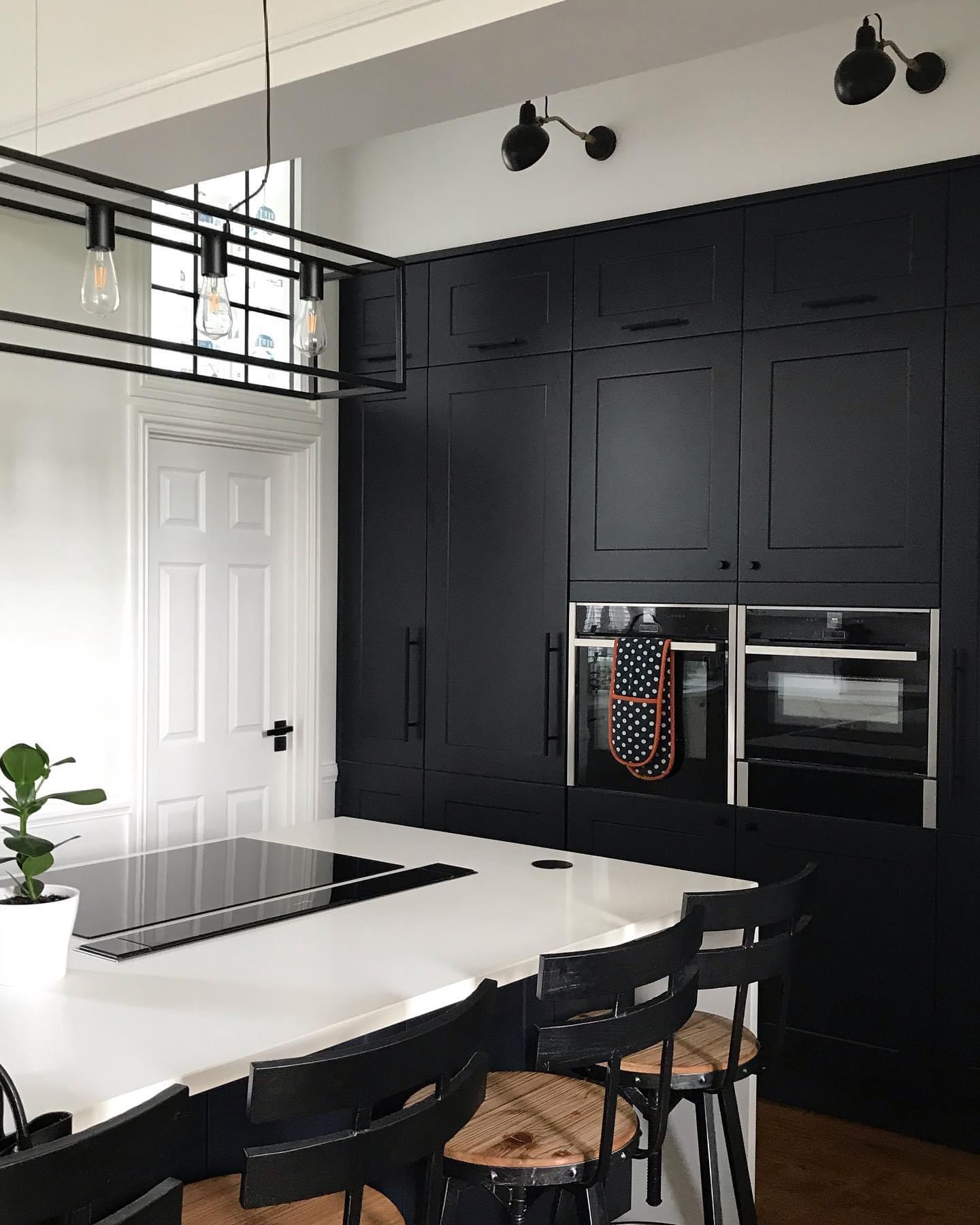
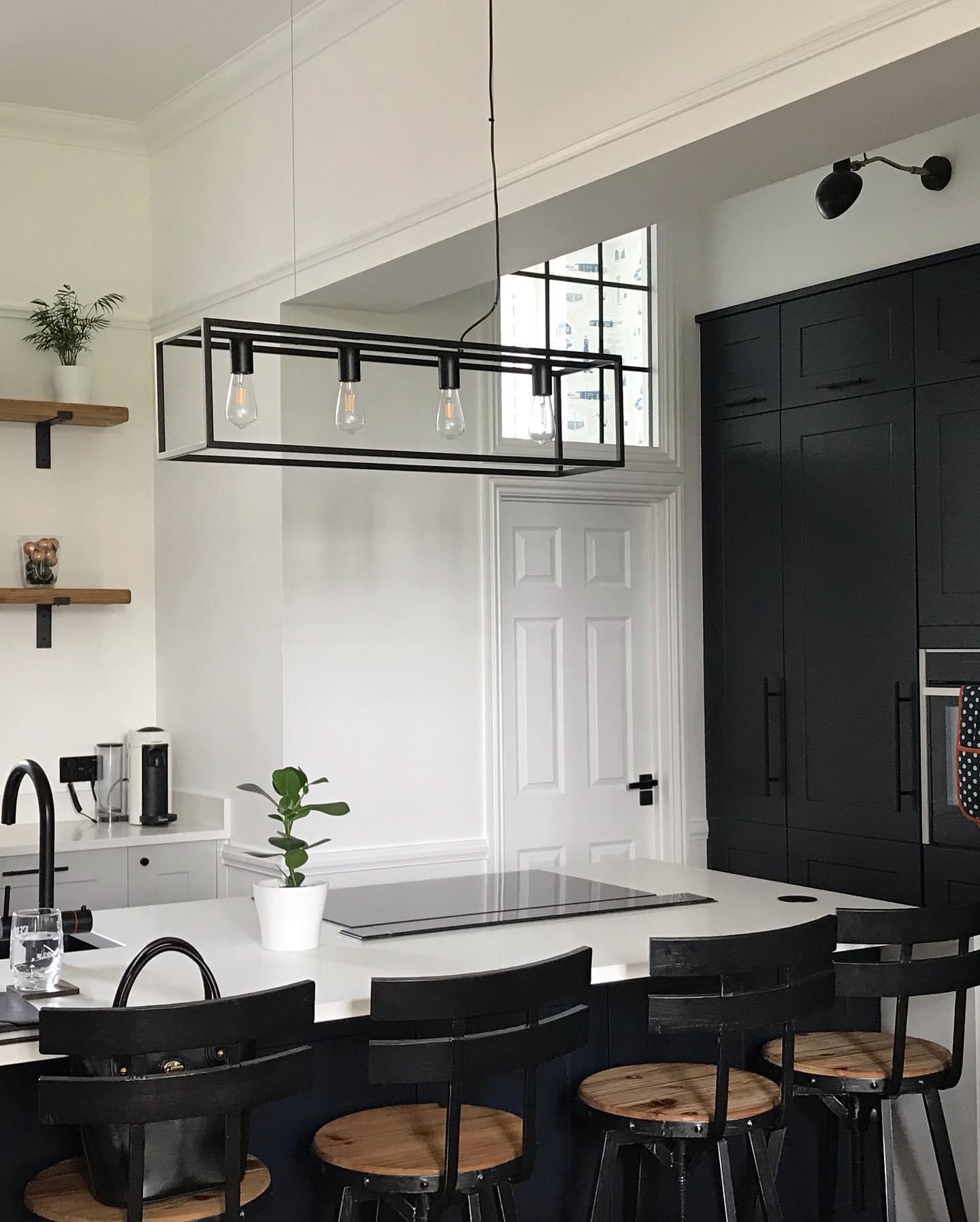

Image Credit Design by Middleton – Kitchen remodel
Here are some tips for budgeting for a kitchen renovation.
- Make a list of the items you want to include in your renovation. This will help you get a better idea of the overall cost of the project. Some items to consider might include new cabinets, countertops, appliances, lighting, and flooring.
- Research the cost of each item on your list. Look for sales and discounts, and try to get estimates from multiple suppliers to get the best deal.
- Determine your budget for each item. Once you know the cost of each item, allocate your budget accordingly. You may need to adjust your list or look for cheaper alternatives in order to stay within your budget.
- Leave room in your budget for unexpected expenses. Renovations often come with unexpected costs, such as the need to repair or replace existing plumbing or electrical work. It’s a good idea to set aside at least 10-20% of your budget for these unexpected costs.
- Consider hiring a professional kitchen designer. A professional designer can help you create a functional and aesthetically pleasing kitchen within your budget. They can also provide detailed cost estimates for each element of the renovation.
- Don’t forget to factor in the cost of labour. Installing new cabinets, countertops, and appliances can be time-consuming and labor-intensive. Make sure to budget for the cost of hiring professionals to do the work, or consider doing some of the work yourself to save money.
- It is always recommended to put away 20% of your total budget for contingency. This is so you are prepared for any unexpected costs.
Budgeting helps you to determine how much you can afford to spend on the renovation and ensures that you do not overspend. Planning allows you to prioritise the work that needs to be done and to determine the most cost-effective way to achieve your goals. By creating a budget and plan, you can avoid costly mistakes and change orders, which can save you time and money. A budget and plan can also help you to negotiate with contractors and suppliers, as you will have a clear understanding of your needs and the costs involved. Proper planning and budgeting can also help to minimize disruptions to your daily routine during the renovation process.
I hope these tips have been a useful guide. Look out for the next post where I will share some kitchen inspiration styles.
Until then, happy budgeting!!
Debs x
 OBJECTS OF DESIRE